Essential Nail Technician Tips for Better Application and Longer-Lasting Results
A great set of nails rarely comes down to polish alone. Longevity is usually decided much earlier, often in the first ten minutes of the service, when prep, product control, and shape decisions set the tone for everything that follows. Clients tend to notice the shine, the color, and the design. Nail technicians notice the cuticle line, sidewall balance, apex placement, and whether the free edge was properly sealed. That difference in perspective is exactly why some manicures still look clean after two weeks while others chip, lift, or dull within days.
The best nail technician tips are not always flashy. They are usually quiet habits repeated with discipline. A file held at the right angle. A brush wiped before product floods the sidewalls. A little restraint with oil before polish. A realistic conversation about nail length guide choices for a client who types all day, works with gloves, or is heading on a beach vacation and wants vacation nails that can survive sunscreen, salt water, and luggage zippers. Technique matters, but judgment matters just as much.
The real foundation is prep, not product
When newer techs struggle with retention, they often blame the polish brand, the gel lamp, or even the client. Sometimes those things do matter, but poor prep is still the most common reason a beautiful set fails early. Even the best gel polish colors and acrylic powder colors cannot compensate for debris, cuticle tissue left on the nail plate, or an over-buffed nail that has become thin and slick in patches.
Nail prep should be clean, methodical, and slightly different depending on the service. A salon manicure with regular lacquer calls for gentle cuticle work and careful dehydration before base coat. A builder gel overlay requires more exact surface prep and better product architecture. An at-home manicure can be improved dramatically just by slowing down and treating prep as the main event rather than the thing to rush through.
Cuticle removal is often misunderstood. The goal is not to aggressively cut living tissue. The goal is to remove non-living cuticle from the nail plate so product can sit flush and bond evenly. If that thin film remains, you create a raised edge where lifting begins. If you overwork the area, the client becomes sore, watery, and more likely to bleed, which compromises the service and trust at the same time.
A clean prep routine should always account for the client’s skin type. Oily clients often need more thorough cleansing and a reliable dehydrator. Clients with dry or mature hands may benefit from a lighter touch with the e-file and more attention to avoiding heat spikes during gel application. There is no single universal routine, which is why experienced technicians adjust pressure, grit, and timing constantly.
Shaping changes wear more than most clients realize
A good nail shape guide is not just about appearance. Shape directly affects strength. Short squoval nails tend to survive hard daily use better than long tapered stilettos. Almond and oval can be elegant and surprisingly practical, but only if the sidewalls are balanced and the stress area is supported. Coffin nails look sleek, especially for multicolor nails, ombre color combinations, and French tip designs, but on weak natural nails they often need reinforcement to avoid corner breaks.
This is where a nail length guide becomes useful in the chair. Clients usually choose with their eyes first. Technicians need to translate that choice into wearability. A teacher, nurse, barista, or parent with a hands-on routine may love celebrity nail trends with extra length, but a slightly shorter version often produces better retention and fewer emergency repairs. A client headed to prom nails or graduation nails appointments may accept a little fragility for the look. A client wanting office-friendly nails or everyday nail designs usually wants the opposite.
The strongest shape is not always the trendiest one. It is the one that suits the natural nail width, the client’s habits, and the service being performed. If the natural nail fans outward, forcing a narrow almond without structure will look pretty for a day and fail by the end of the week. If the client’s sidewalls are deep and curved, product placement has to respect that anatomy rather than flattening it.
Product control separates clean work from messy work
Application looks easy until you try to make it consistent on ten nails, under time pressure, with different nail beds and different product viscosities. Product control is where a technician’s hours of practice become visible.
With regular polish, thin coats beat thick coats every time. Thick lacquer traps solvents, dents more easily, and often shrinks at the tip. With gel, flooding the cuticle is the fastest route to lifting. With acrylic, too-wet beads can run into the sidewalls, while too-dry beads turn lumpy and force over-filing. Every system asks for a slightly different touch, but the principle stays the same: place less product than you think you need, then guide it with intention.
Brush pressure matters more than speed. A light floating motion gives a smoother finish than pressing down and dragging. If a gel color looks streaky on the first coat, that is often normal. Trying to force opacity in one pass usually creates bulk. Two or three controlled coats are safer than one heavy one.
The same goes for sealing the free edge. It helps with wear, especially on regular polish and some gel services, but overloading the tip can create thickness that catches hair and fabric. A sealed edge should be almost invisible. If you can see a rounded lip from the side, it is too much.


The apex is not optional on structured services
For overlays, hard gel, and many enhancement services, strength depends on architecture. This is the part clients rarely ask about but benefit from most. A nail can look smooth and still be structurally weak if the apex is too flat or placed too far forward. The stress point usually sits around the transition area between the natural nail bed and free edge, though placement shifts depending on length and shape.
Longer nails need more visible structure. Short natural overlays can be more subtle. The mistake many beginners make is applying the same amount of product to every client regardless of length. A short office-friendly set does not need the same apex as dramatic New Year’s nails or long date night nails with extra embellishment. But every structured nail needs enough support to resist downward pressure.
Apex placement also affects the final silhouette. If it is too high and abrupt, the nail looks bulky from the side. If it is too low, the nail photographs nicely from above but breaks under normal use. The best structure looks almost effortless, which is why it takes time to learn.
Color selection should support the service, not fight it
Clients often arrive with a saved image and little context for why it works. It is the technician’s job to translate inspiration into something flattering and durable. Nail polish colors can behave very differently depending on undertone, opacity, and finish. The same deep berry may look luxurious on one client and muddy on another. The same pastel blue may feel fresh in spring nail colors but chalky if applied too thickly or over an uneven base.
Color planning matters even more for detailed designs. French tip colors need strong contrast and clean smile lines. Two-tone nails and mismatched nails work best when there is some thread tying them together, whether that is finish, tone, or saturation. Multicolor nails can look editorial and deliberate or random and cluttered, often based on one small decision about harmony.
A few practical color truths tend to hold up in the salon. Neutral nail colors are the most forgiving for grow-out, which makes them excellent for bridal nail designs, elegant wedding nails, and clients who stretch appointments. Dark nail colors are dramatic and chic, especially in fall nail colors and winter nail colors, but they expose shaping flaws and cuticle flooding immediately. Bright nail colors show personality and photograph well for summer nail colors, vacation nails, and beach vacation nails, but neon formulas sometimes need a white base for true payoff. Pastel nail colors flatter many clients in spring, though they usually need careful prep and smooth application because patchiness shows fast.
Warm-toned nails, such as terracotta, peach, caramel, and golden beige, often flatter warmer skin and fit Thanksgiving nails beautifully. Cool-toned nails like mauve, slate, icy pink, and blue-red can feel sharper and more polished, especially for office-friendly nails or minimal celebrity nail trends.
Design work improves when the basics are boringly consistent
Most nail art frustration comes from shaky foundations, not lack of creativity. If the base application is uneven, no amount of detail work will hide it. Clean French tip designs require even shape. Ombre color combinations need a smooth surface. Accent nails only feel elevated when the surrounding nails are crisp and balanced.
Nail art tools help, but they do not replace control. A fine liner brush will not save a technician who overloads it with paint. Dotting tools are useful, but dots still need spacing and rhythm. Nail art brushes should be chosen based on what they actually do well. A short detail brush offers more control for micro work than a very long one. A flat brush can soften pigment in an ombre more evenly than a liner brush can. Many beginners buy too many tools too early. It is better to master a few reliable ones.
Here is a compact working kit that covers most daily design needs without overwhelming your station:
- a short liner brush for fine details and French tip designs
- a medium flat brush for gradients, pigment blending, and cleanup
- a dotting tool with two sizes for simple florals, hearts, and placement marks
- a cleanup brush with firm bristles for cuticle correction
- a palette surface for controlling gel paint, lacquer, or art gel before it touches the nail
For nail art ideas for beginners, restraint often creates better results than ambition. A single chrome accent, a micro French in fresh gel polish colors, or soft mismatched nails within one color family usually looks more professional than five different techniques forced onto one hand. Nail design inspiration is useful, but successful salon work depends on editing.
Retention often depends on what happens after the client leaves
The service is only half the story. Daily habits determine the other half. Clients who use their nails as tools, peel labels, open cans, or clean bare-handed will wear through almost any manicure faster. That does not mean retention is out of the technician’s control, but it does mean aftercare education should be built into the appointment rather than tacked on at the end.
Short, specific advice works best. Telling a client to “be careful” is too vague to change behavior. Telling them to wear gloves for dishes, apply cuticle oil twice a day, and avoid picking at lifted edges is practical. If they booked a salon manicure for a special event, explain how to preserve shine until the date. If they are wearing bridal nail designs, prom nails, or graduation nails, remind them to avoid last-minute self-tanning spills and adhesive mishaps. If they are traveling with vacation nails, suggest packing oil and a file for minor snags.
For at-home manicure clients who want professional-looking results, aftercare starts before color even goes on. Most chipping at home comes from rushed dry time, skipped base coat, or thick layers applied late at night. A home manicure can look very polished if prep is clean and expectations match the products. Regular lacquer will not wear like a structured gel overlay, and that is fine, as long as the client understands the trade-off.
Common failure points worth catching early
A lot of redoes could be prevented by spotting the same few issues before the service is finished. These are the moments when experienced technicians pause, correct, and save themselves trouble later.
- shine left on the natural nail in isolated patches before enhancement application
- product touching skin at the cuticle or sidewalls, even if it looks minor
- tips or extensions applied slightly crooked, which becomes obvious after shaping
- uneven thickness at the free edge that catches and chips sooner
- curing shortcuts, especially with darker gel polish colors and heavily pigmented art
Each of these problems compounds. A tiny flood becomes lifting. A slightly crooked tip turns into a visibly asymmetrical coffin or almond. One under-cured layer under dark nail colors can wrinkle, stain, or break down the whole set. Good technicians are not perfect because they avoid mistakes entirely. They are effective because they catch them while they are still small.
Timing, pacing, and salon workflow matter
Clients judge the finished set, but they also judge how the appointment feels. A rushed service often shows up in the details, yet a slow service can erode confidence too. The sweet spot is a controlled pace. Set up your table so the most-used products and nail art tools are within easy reach. Keep files organized by grit and discard worn ones promptly. Cap bottles as you go. Wipe your lamp and dust collector often. A clean, orderly station reduces wasted motion and helps preserve product quality.
This is also where nail salon ideas become practical instead of decorative. Good lighting improves color matching and cuticle work. Thoughtful seating reduces fatigue for both technician and client. Displaying swatches by family, neutral nail colors together, bright nail colors together, seasonal shades grouped for fall nail colors or summer nail colors, makes selection faster and less stressful. It sounds small, but reducing decision fatigue leads to smoother appointments.
If a client wants highly detailed holiday nail art, Valentine’s Day nails, Easter nail designs, Thanksgiving nails, or New Year’s nails, build in enough time to execute properly. Intricate work squeezed into a basic manicure time slot is how quality slips. It is better to offer a simpler concept well than promise a complex one you cannot complete cleanly.
Seasonal and occasion-based nails need practical editing
Event nails bring a different kind of pressure because the client often has emotional expectations attached. Bridal nail designs need to feel timeless in photographs taken years from now. Prom nails can be trendier, but they still need to coordinate with fabric, jewelry, and corsage colors. Date night nails may lean deeper, glossier, or more dramatic. Office-friendly nails usually ask for softer French tip colors, sheer pinks, taupes, or muted reds.
Seasonal work benefits from restraint too. Fall nail colors can be rich and layered, but not every autumn design needs leaves, glitter, and plaid on the same hand. Winter nail colors look elegant with icy tones, deep wines, or metallic accents. Spring nail colors shine with florals and pastel nail colors, though too many pale shades together can wash out the look if there is no contrast. Summer nail colors can handle bold saturation, especially for beach vacation nails, but bright formulas often reveal streaks, so application must be especially even.
Celebrity nail trends are useful as a reference point, not a rulebook. What looks striking in a photo shoot may not function well for a client who needs to type, lift boxes, or care for small children. The strongest technicians know how to preserve the spirit of a trend while adapting it to real life.
Pedicures deserve the same level of care
Pedicure ideas often get treated as an afterthought, but good pedicure work requires just as much judgment. Toenails are smaller, often more irregular, and more vulnerable to pressure from shoes. Over-filing sidewalls, digging aggressively, or applying bulky polish near the edges can cause discomfort and poor wear. Clean prep and neat product placement matter even more because the margin for error is smaller.
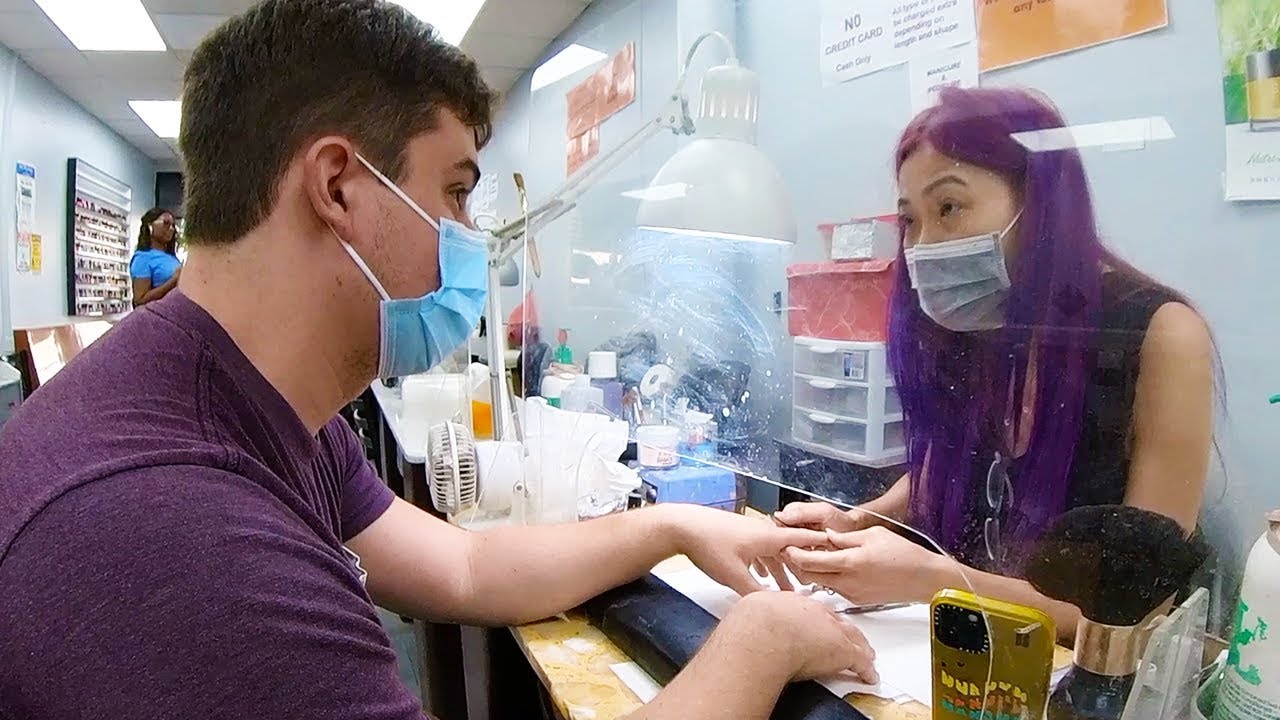
Color choices for pedicures can be more flexible because wear patterns differ. Bright reds, dark nail colors, and glossy neutrals all perform well when applied thinly and allowed to cure or dry properly. French tip colors on toes can look fresh, but they need precision to avoid appearing dated or heavy. https://vtnailsspa.com/ For vacation nails, especially beach vacation nails, a pedicure often outlasts the manicure, so it makes sense to coordinate the two without making them identical.
Small habits that build a stronger reputation
Clients do not always remember the exact brand of top coat you used. They remember whether their nails lasted. They remember whether their hands looked refined rather than bulky. They remember whether you listened when they said they wanted everyday nail designs instead of something too bold, or whether you guided them away from a shape that would not suit their lifestyle. Trust is built in those moments.
The technicians who keep clients long term are usually the ones who blend technical discipline with practical honesty. They suggest a shorter almond when a long coffin will snap. They recommend neutral nail colors for a bride who wants to love her photos in ten years. They explain why a rushed at-home manicure chips faster than a carefully prepped salon manicure. They know their nail design tutorials are only as good as the prep and structure underneath.
Better application and longer-lasting results are not the product of one secret trick. They come from dozens of small, repeatable choices made well. Clean prep. Balanced shaping. Controlled product. Thoughtful color selection. Good aftercare advice. When those pieces line up, the nails look better on day one and still look good when the client reaches for their next appointment.